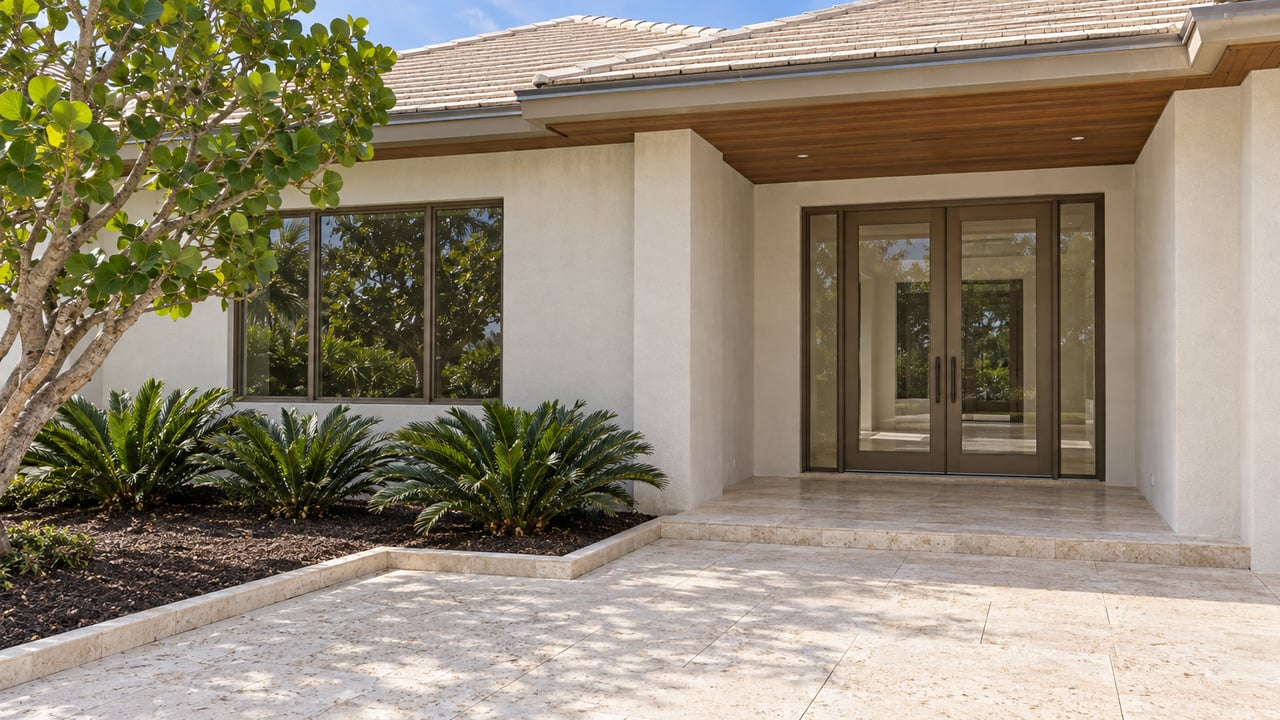
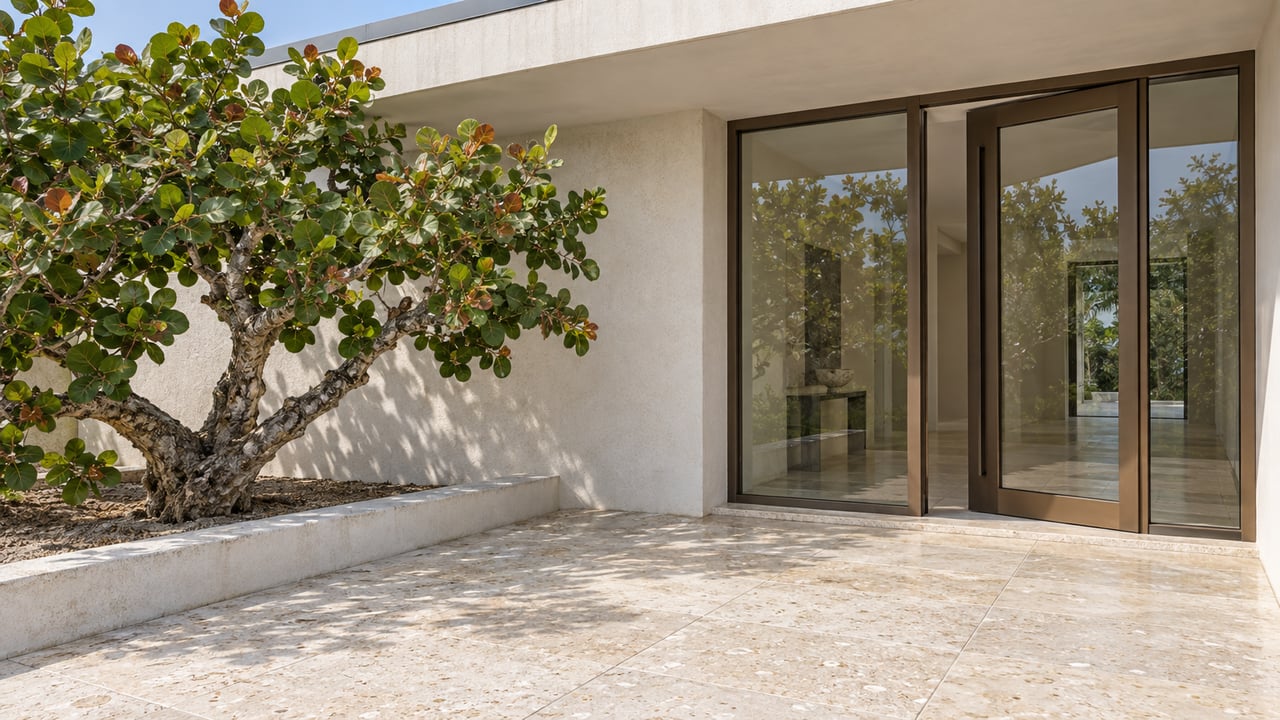
A buyer touring Port Royal this summer put an offer on a canal-front lot with a dated 1970s house still standing on it. Two doors down, a nearly identical lot with a brand-new 7,000-square-foot estate had just closed for more than double the price. Same street. Same water. Same distance to Gordon Drive. The buyer assumed the newer home explained the gap. It didn't, not entirely. What explained most of it was a broader pricing pattern: in Port Royal today, roughly two-thirds of sales are teardown acquisitions, and once that's true of a neighborhood, the house stops being the product. The land is.
That shift matters right now for a specific reason. Port Royal's private club just moved its reopening date, its membership fee rose, and both changes are landing on top of a market where the dirt was already doing most of the pricing work. Anyone comparing a listing here to a portal Zestimate or a five-year-old comp is going to misread the number.
The Land Is the Price
Port Royal has roughly 500 homesites, and no new Gulf-front land can be created to add to that count. That scarcity alone would put upward pressure on price. What compounds it is Hurricane Ian. The storm's damage accelerated the full teardown-and-rebuild cycle in enough older homes that it became the default path for buyers rather than the exception. Renovating an aging structure to current wind and flood standards often costs close to what building new does, without the benefit of a clean structural slate or a fresh insurance rating.
The practical result: when roughly two out of every three Port Royal sales close as teardown acquisitions, the asking price on an "as-is" listing is really a bid on the lot, discounted for demolition. A 5,000-square-foot waterfront rebuild in the neighborhood commonly runs $600 to $1,200 per square foot in construction costs alone, before land, and demolition and site prep typically add another $50,000 to $150,000 on top. A buyer pricing the home instead of the dirt is going to overpay for a structure they intend to remove within eighteen months.
Neighboring Aqualane Shores runs on the same logic with a slightly different supply picture. The enclave holds roughly 350 waterfront homes, most on deep-water canals with direct access to Naples Bay and the Gulf, and the same post-Ian rebuild pressure applies. The two neighborhoods sit close enough on the map that buyers often cross-shop them, but the underlying math, land value plus construction cost plus permitting timeline, is what actually separates one listing from another, not the finish level in the kitchen.
A Clubhouse Reopening Before Escrow Closes
Layered on top of the land math is a timeline shift worth tracking closely if you're active in this market right now. The Port Royal Club's $100 million rebuild, led by Suffolk Construction and Champalimaud Design, was expected to reopen by summer 2026. That date has since moved to fall 2026. The new 62,000-square-foot clubhouse replaces a facility substantially damaged by Hurricane Ian in 2022, and members chose a full rebuild over repairs.
The membership economics moved at the same time. The Club's joining fee rose from $315,000 to $400,000 effective January 1, 2026, with annual dues of $16,200. That increase took effect before the new clubhouse has even opened its doors, which tells you something about how the market is pricing anticipation rather than waiting for delivery. In the twenty-four months leading into mid-2026, Port Royal homes with full club eligibility sold for an average of $18.9 million, a premium of roughly 128 percent over comparable associate-level properties without that eligibility. That gap existed before construction wrapped. It is one reason industry analysis projects the completed clubhouse could add another 5 to 10 percent in value to eligible properties once it's fully operational.
For a buyer, that means the eligibility status attached to a specific address is doing real financial work, separate from the home itself. For a seller, it means the window between now and the fall 2026 opening is a moment when that premium is still being priced in rather than fully realized.
| Port Royal | Aqualane Shores | |
|---|---|---|
| Approximate homesite/waterfront home count | ~500 homesites | ~350 waterfront homes |
| Share of recent sales that are teardown acquisitions | Roughly two-thirds | High, driven by the same post-Ian rebuild pressure |
| Club eligibility tied to ownership | Yes, Port Royal Club | No equivalent mandatory club |
| Median sale price, trailing 12 months to mid-2026 | Not separately reported here | $10,175,000, down 3% year over year |
| Average days on market, trailing 12 months to mid-2026 | Not separately reported here | 292 days, versus a 53-day national average |
Why Aqualane Shores Homes Sit for 292 Days
That last row is the number that trips people up. A median sale price of just over $10 million paired with an average of 292 days on market, against a national average of 53, reads like weak demand if you don't know what's happening underneath it. It isn't. It's the permitting calendar.
A teardown-and-rebuild purchase in either neighborhood isn't a single transaction. It's a transaction plus a construction project, and the due diligence period reflects that. Before a buyer commits, they're typically waiting on:
- JY Mega FC Construction says plans go to the Port Royal Property Owners Association before county permitting begins.
- Collier County building permits for the new structure, which commonly take three to six weeks to process on their own.
- Details about work below the mean high water line, including seawall repair or replacement and new dock construction.
- City of Naples dock permitting and applicable fees, plus plan review.
- A marine engineering inspection of the existing seawall and pilings, since replacing a failing seawall can run close to $1,000 per linear foot and materially changes the deal math if discovered late.
None of that is unusual for this market. It's simply not something a national days-on-market average accounts for. A buyer or seller reading 292 days as a sign of a slow neighborhood is drawing the wrong conclusion from a real number.
What This Means at the Closing Table
For a seller in this position, that long timeline argues for transparency rather than urgency. A seller who has the seawall inspection, the elevation survey, and any PRPOA pre-approval already assembled removes a chunk of that 292-day average from the buyer's side of the process and gives serious buyers a faster path to a firm offer. Waiting for a buyer to discover deferred seawall maintenance mid-diligence is the scenario that drags a deal out or kills it.
For a buyer, the discipline is to underwrite the land, the club eligibility if it applies, and the full construction and permitting timeline as three separate line items, not as an afterthought to the listing price. A property that looks expensive on price per square foot might be priced correctly once you account for a rebuild-ready lot and standing club eligibility. One that looks like a bargain might carry a seawall replacement and a PRPOA review process that erases the discount within the first year of ownership.
A short FAQ
Does every home in Port Royal get torn down? No, but teardown acquisitions currently represent roughly two-thirds of sales, so it's the more common outcome for older inventory rather than the exception.
What does Port Royal Club membership cost right now? The joining fee rose to $400,000 effective January 1, 2026, up from $315,000, with annual dues of $16,200.
How long should a buyer budget for permitting on a waterfront rebuild? Collier County building permits typically run three to six weeks on their own, and that timeline extends further when PRPOA architectural approval is also required, which is common for most waterfront rebuild projects in the neighborhood.
Why is Aqualane Shores' median price down while days on market are so long? The two numbers reflect different forces. The price shift reflects normal period-over-period movement in a thin, ultra-high-end pool of sales, while the extended timeline reflects the layered permitting and construction due diligence attached to teardown purchases, not softening demand.
If you're weighing a purchase or a sale in Port Royal or Aqualane Shores and want a clear read on what a specific address is actually worth once land value, club eligibility, and permitting timelines are factored in, Nita Rapp can walk through the numbers with you directly. Let's Connect.
This article is general information, not legal, tax or financial advice. Consult a qualified professional about your situation.